
Those Who Were There
The Holocaust
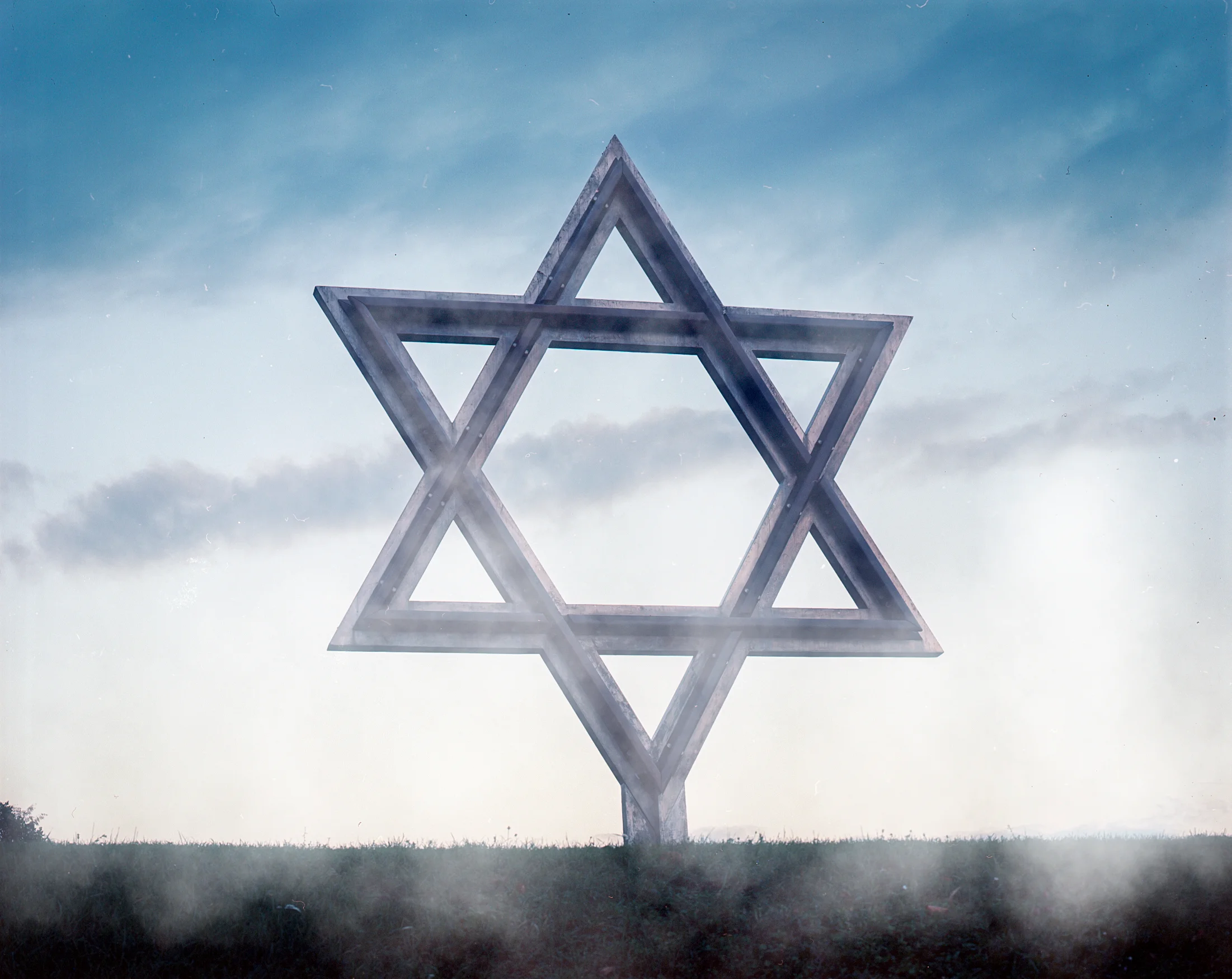
The Holocaust
Those Who Were There: The Holocaust is a long-term historical research and documentation initiative focused on recovering Holocaust narratives that fall outside, or remain incomplete within, official archival systems. The project examines how genocide was experienced, recorded, and remembered at the margins of documentation, emphasising survivor testimony, microhistory, site-based research, and evidentiary absence.
The inisitive is led by Lewis James Phillips, with the assistance and collaboration of numerous Holocaust museums and trusts, including The Together Plan, The Jewish Tapestry Project, the Majdanek and Sobibór Memorial Museums, and the Památník Terezín (Terezín Memorial).
The work takes the form of visual documentary projects produced using large-format film cameras, retracing the physical landscapes connected to testimonies left behind by survivors and victims. These projects engage directly with sites of persecution, deportation, and mass murder, following the geographical traces of historical accounts rather than relying solely on textual or archival representation.
Focusing on the recent historical past of the Holocaust, the project seeks to convey an understanding of the scale, violence, and human loss of this period, while also documenting the personal and often overlooked narratives of love, survival, and the determination of the human spirit to endure. Through a visual approach, viewers are invited to encounter the landscapes and topography in which these events unfolded, gaining insight into what those who left testimonies may have seen—and into the resilience, memory, and presence that continue to inhabit these spaces.
While grounded in historical research, Those Who Were There: The Holocaust is not intended solely for academic audiences or photographic specialists. Instead, the work is presented as an open and reflective space, allowing viewers from all backgrounds to engage with the material and form their own personal responses to the histories and places documented.
When completed, this body of work will culminate in one of the most extensive documentary photographic fine art book series ever produced. The series is intended as an educational and thought-provoking record, combining rigorous historical research with powerful imagery. The resulting archive of photographic negatives will be preserved within institutional collections, ensuring that the memory, testimony, and enduring spirit of those who witnessed these events—and whose histories Lewis has traced—remain accessible to future generations.