
Vulture
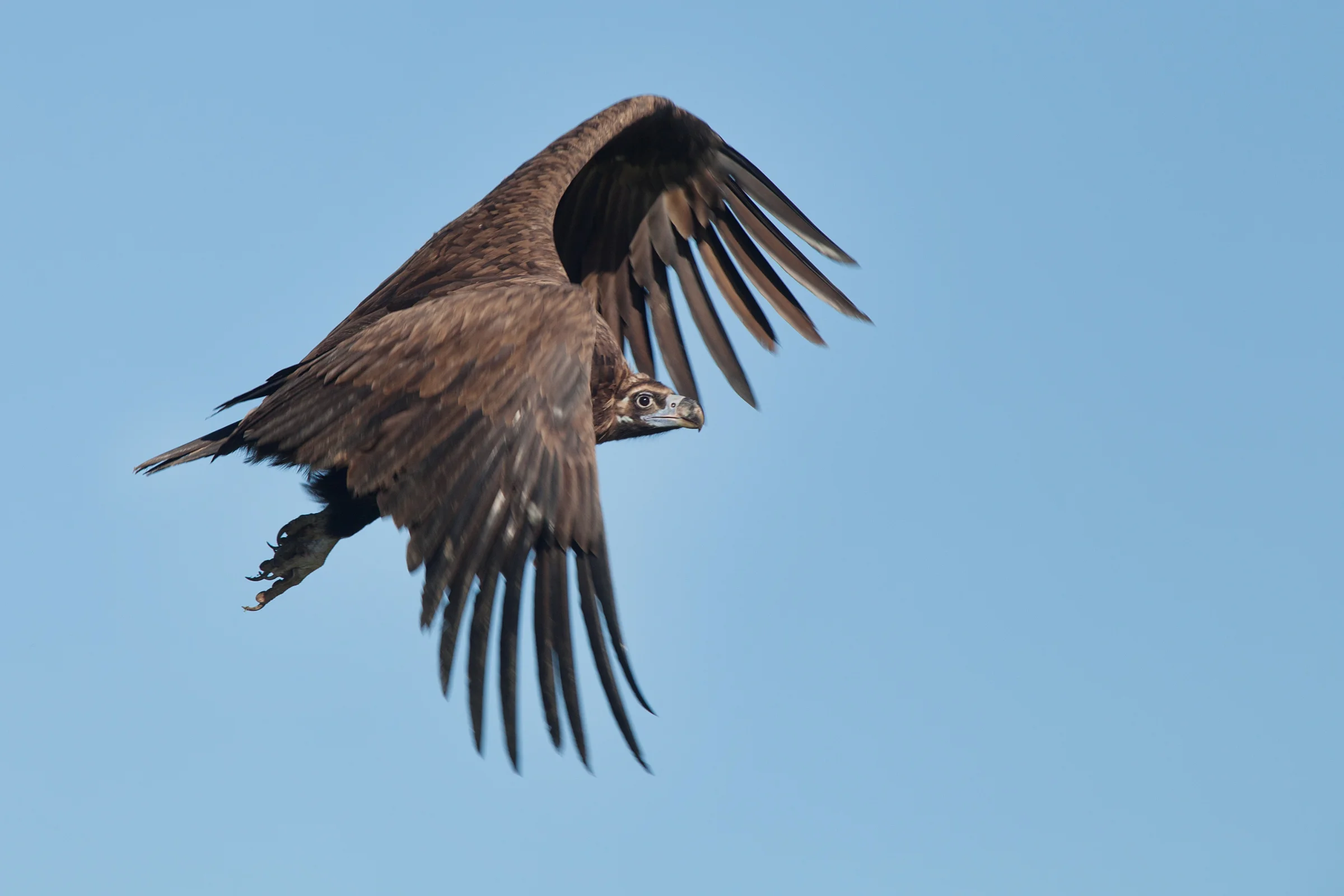
Nearly thirty years working with vultures: a photographic journey through the people, places, politics and trade surrounding these misunderstood birds.
Outside of being a photographer, I have a lifelong passion for flying and for working with raptors. Falconry is widely regarded as the oldest field sport in the world, yet I would not necessarily describe flying vultures, or many other species, as falconry. For me, their significance goes far beyond the sport. Vultures are an intrinsic part of human culture, history and the natural world.
Nearly thirty years ago, I found myself working at a zoo that housed a vulture. I could never have imagined where that single experience would lead me, nor that it would eventually introduce me to, and allow me to become friends with, people working at the highest levels of vulture conservation.
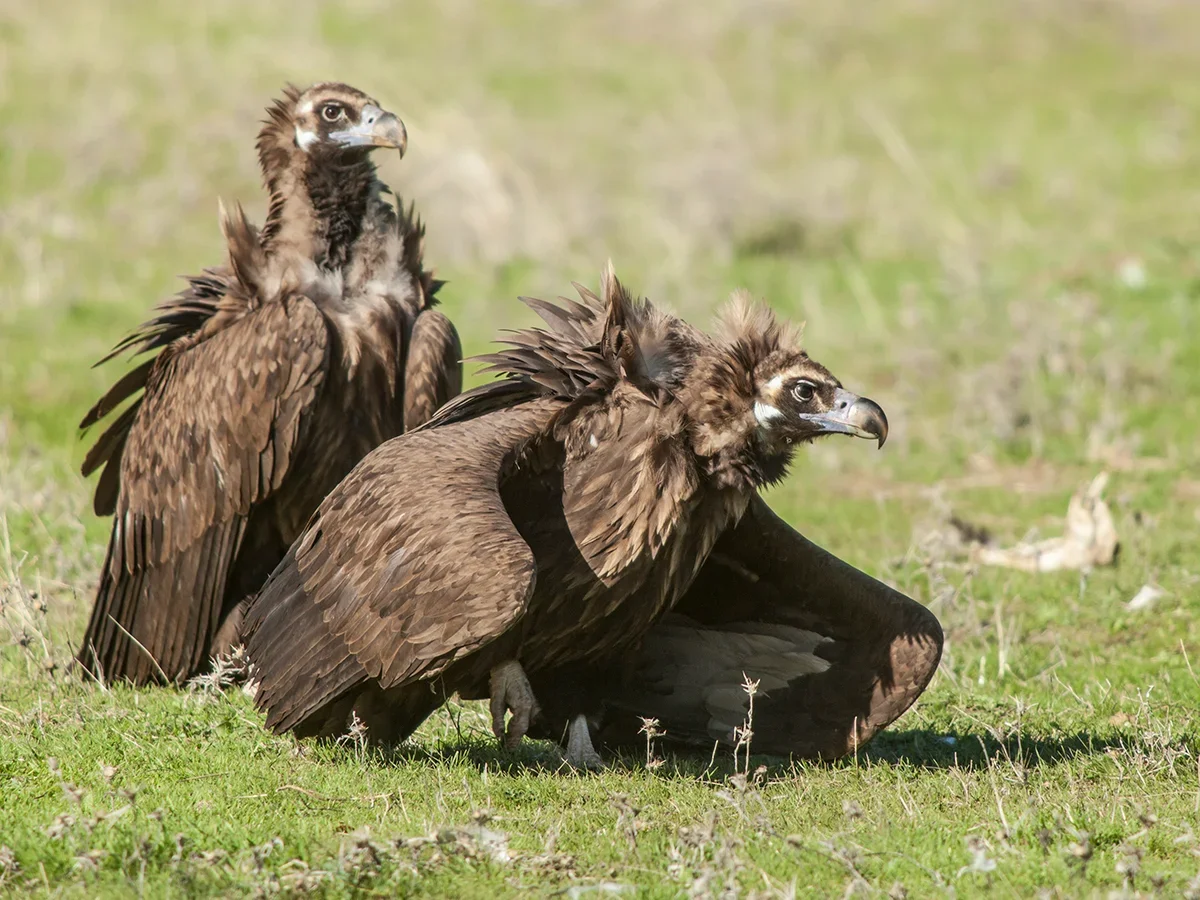
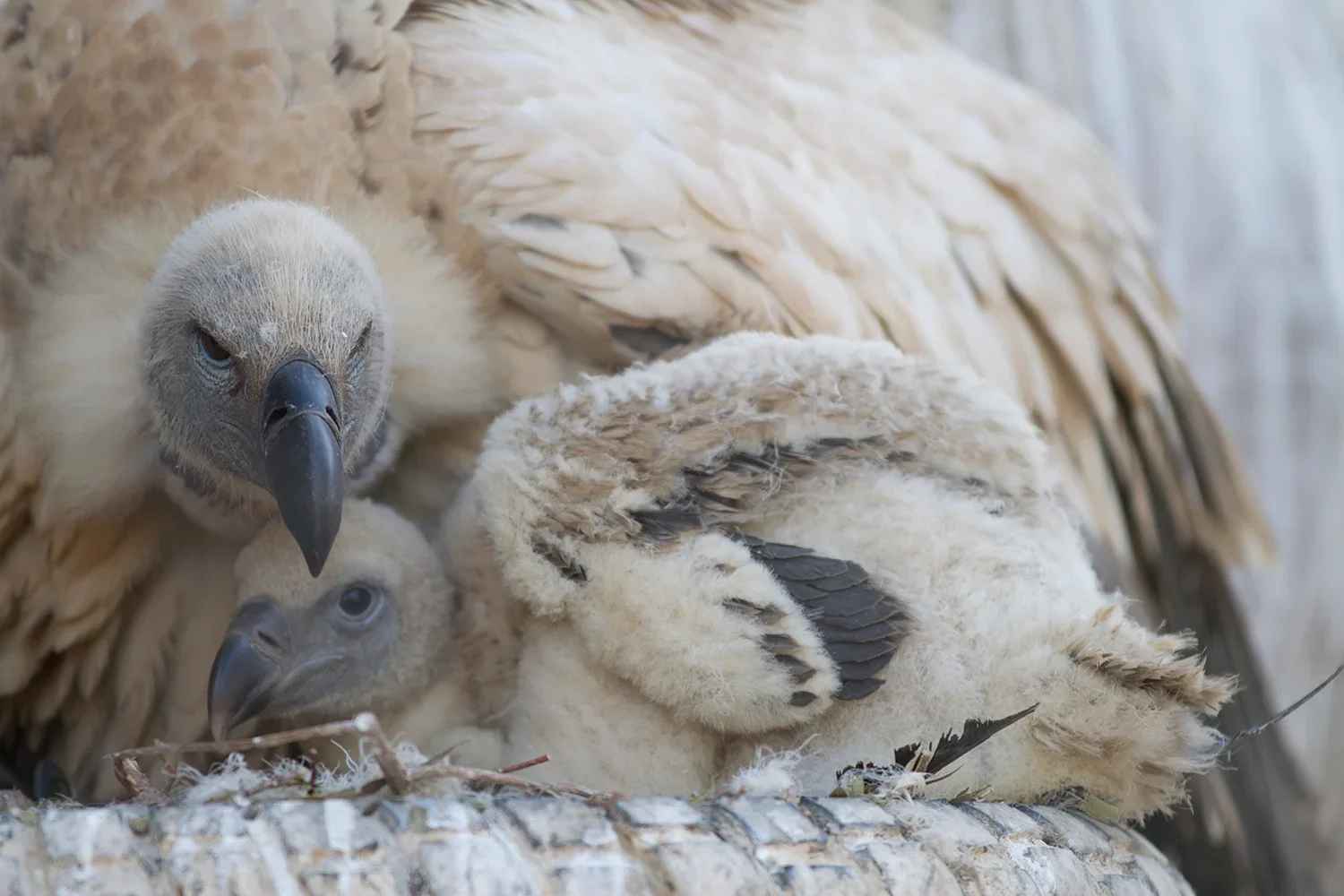
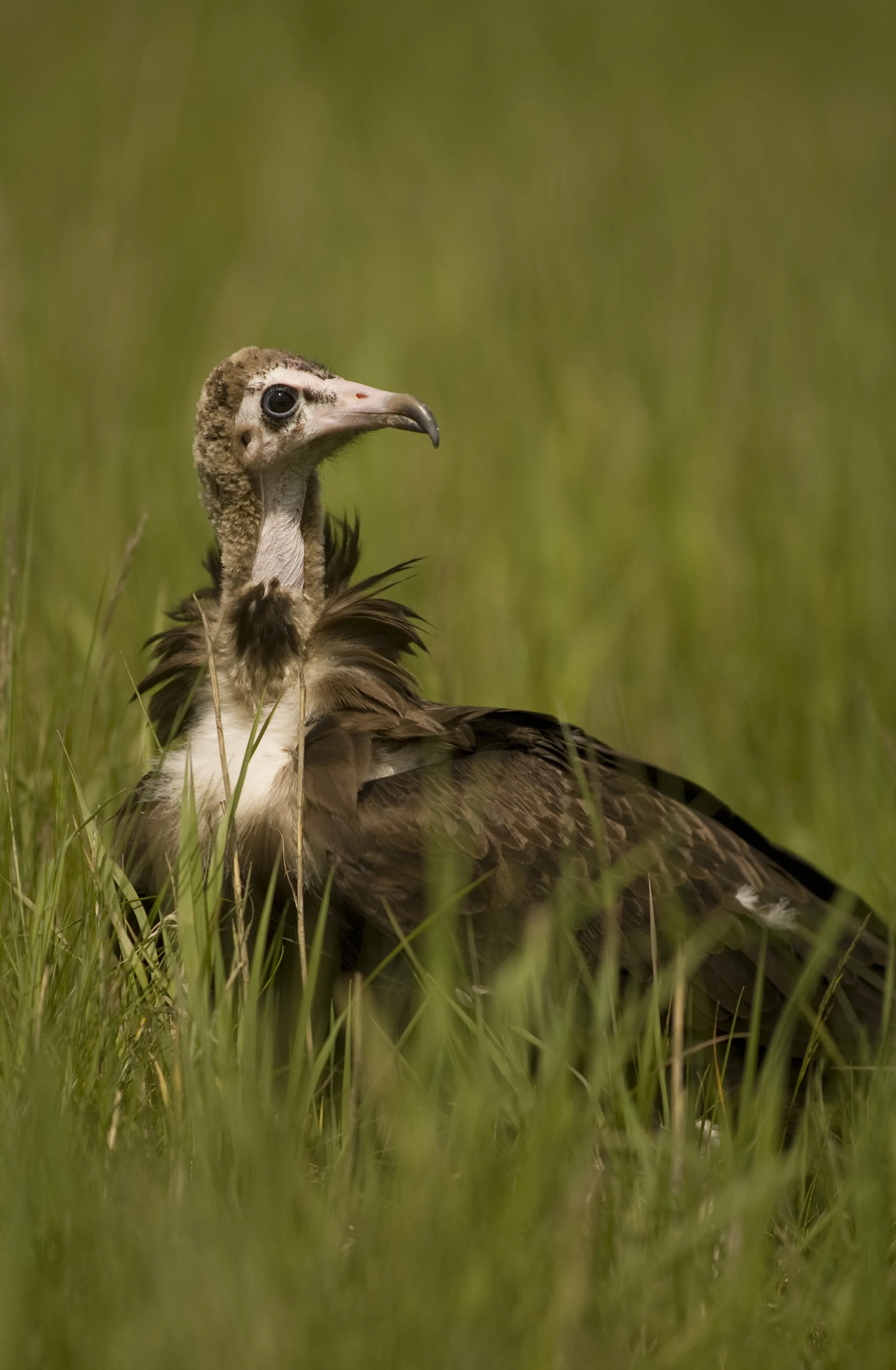
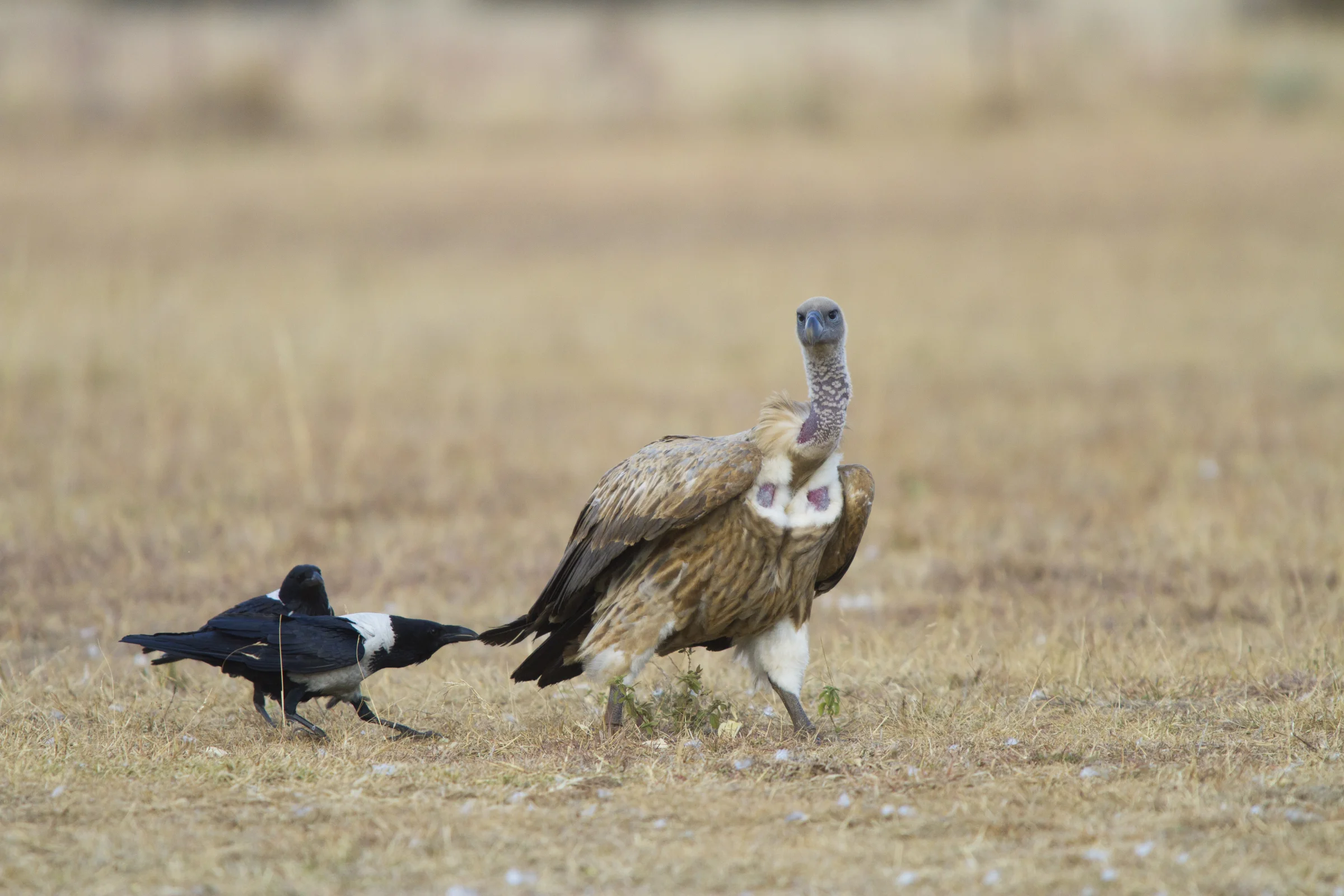
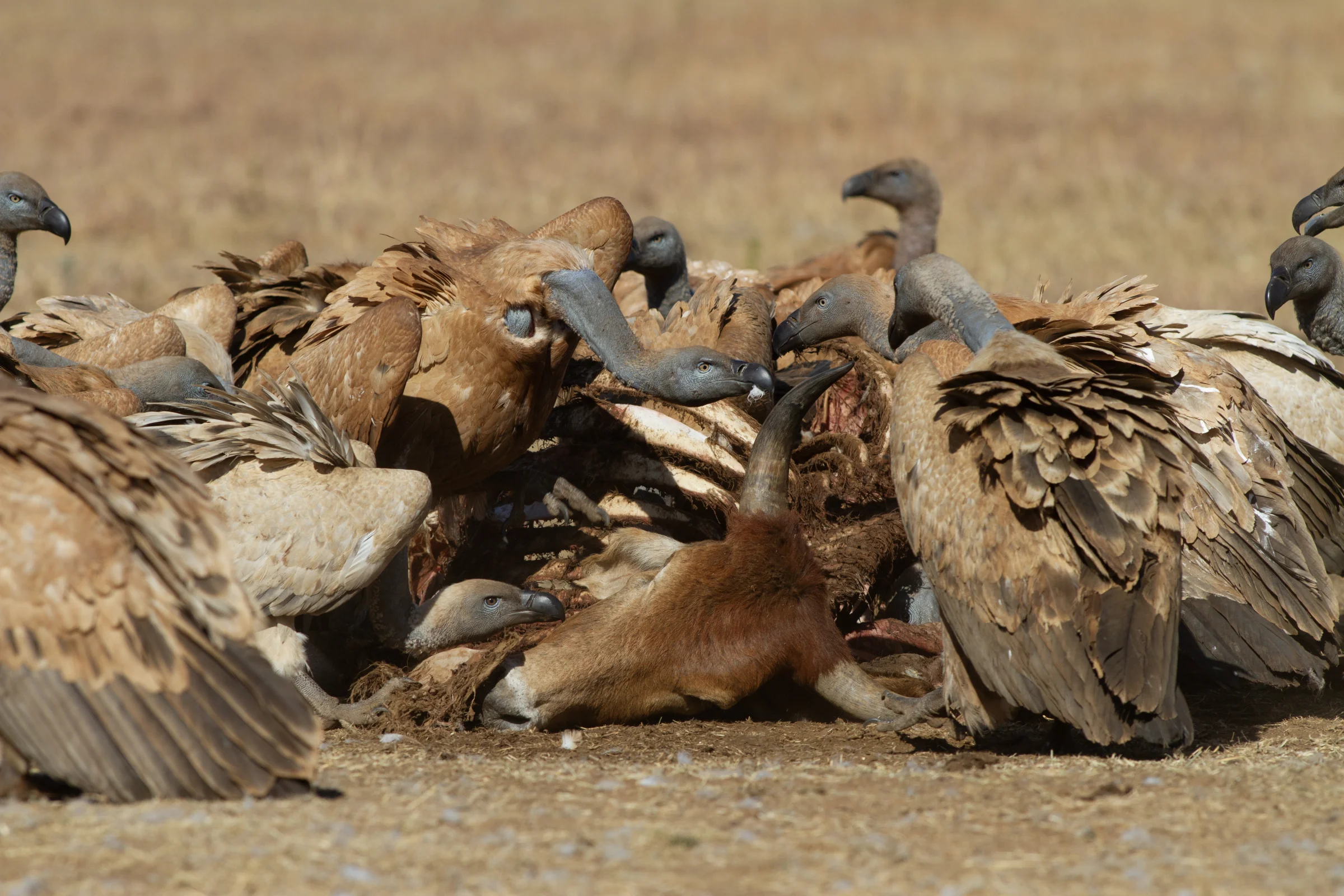
As I began working more closely with captive vultures, I became increasingly aware of how misunderstood these birds are. They are often portrayed as ugly, dirty, smelly or even sinister creatures. In reality, they perform one of the most important roles within many ecosystems. By consuming carrion, vultures help prevent the spread of disease. Without them, ecosystems can become dangerously destabilised. Their survival is therefore not simply about protecting a bird; it is about protecting systems on which we all depend.
Over time, another and far more uncomfortable side of the story became apparent. Vultures are being traded for financial gain, exploited through international networks and increasingly affected by decisions made far from the places where they naturally occur. I have encountered people who publicly speak of conservation while, at times, their actions appear to serve very different interests.
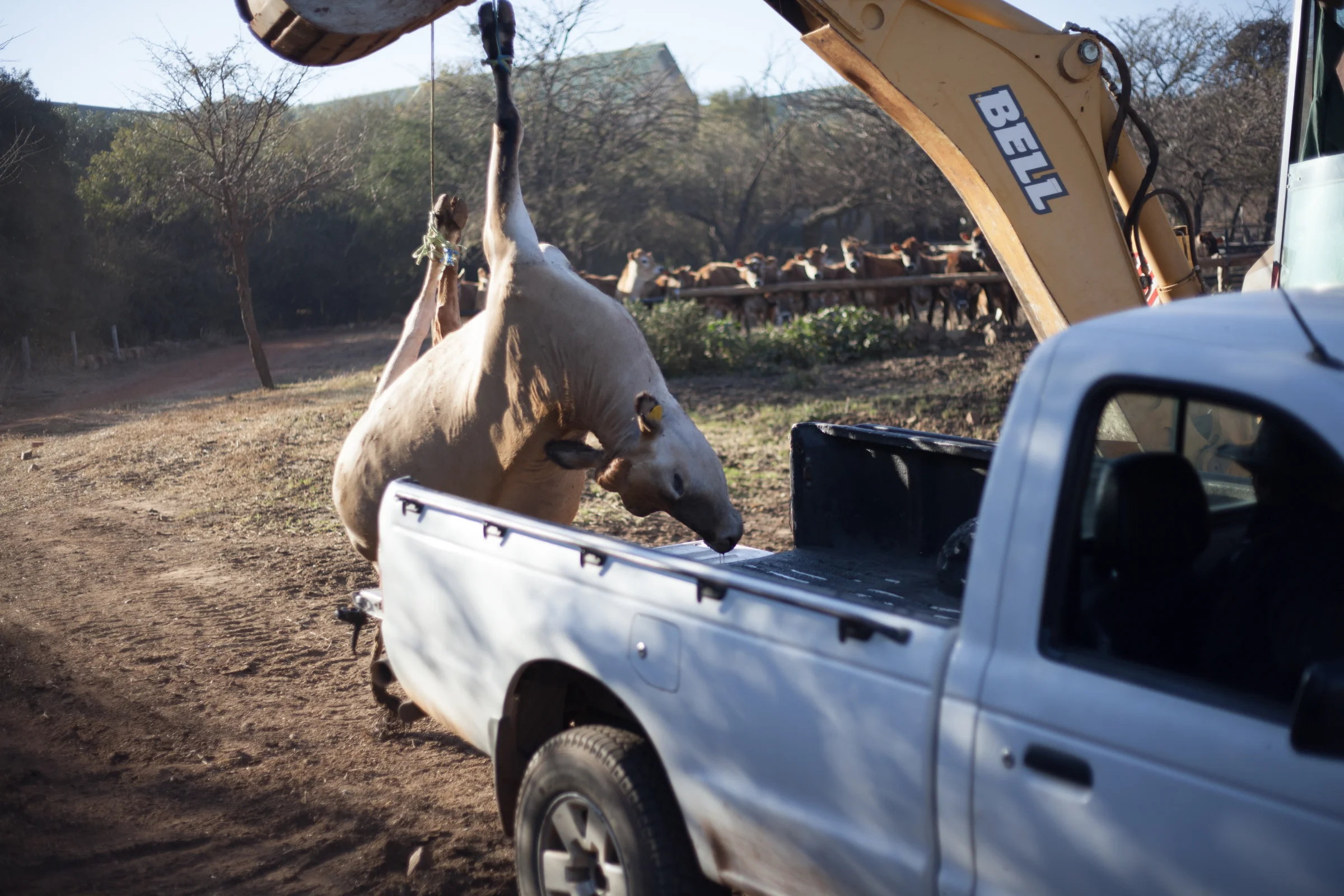
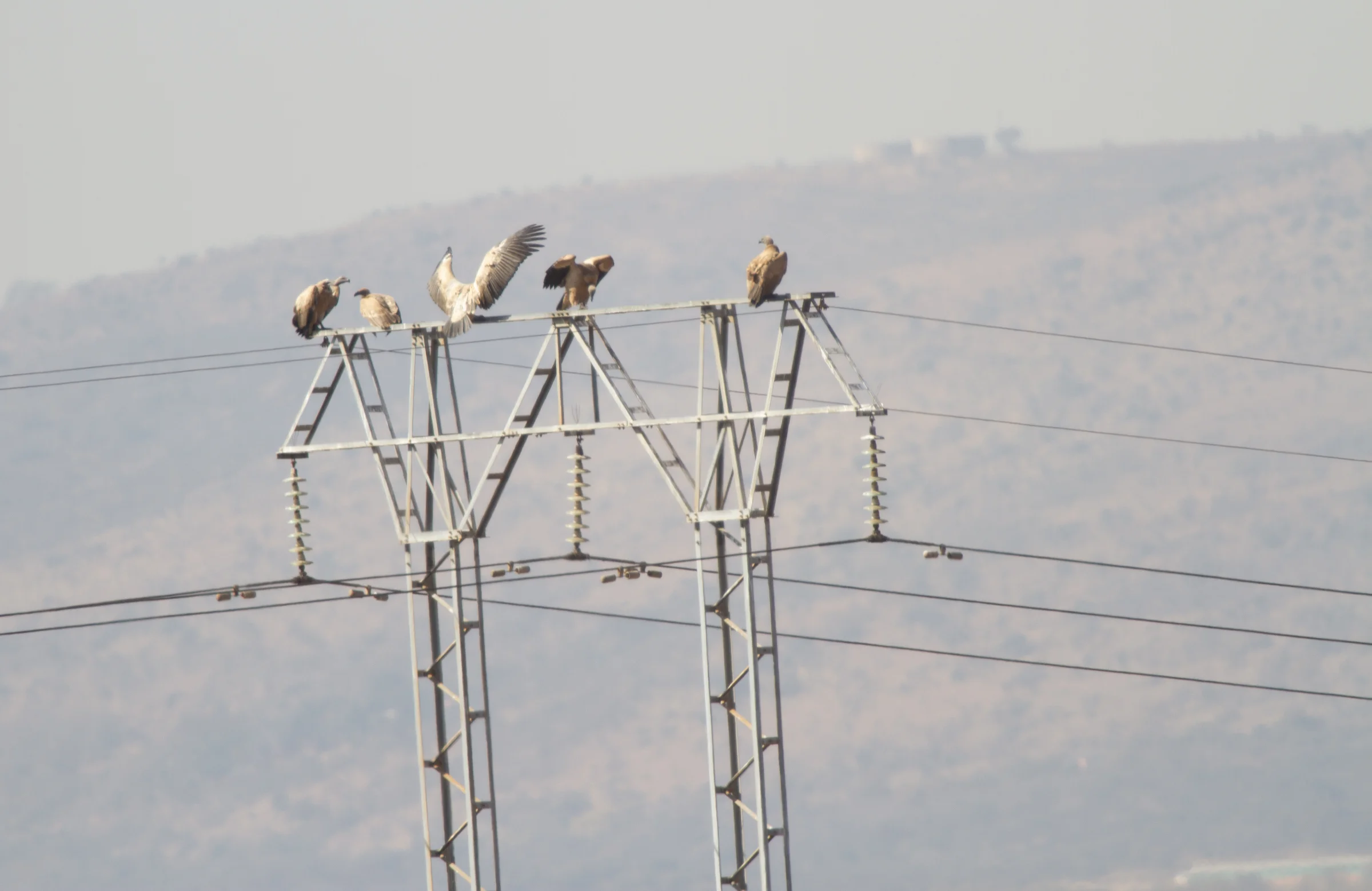
For more than two decades, I have been documenting vultures and the complex world surrounding them: how we benefit from them, how different cultures live alongside and interact with them, the politics and conservation policies that affect their survival, and the illegal trade in birds and specimens, including trade into Britain.
The decline of Old World vultures has been devastating. But this has led me to question something much closer to home: what is the genuine conservation purpose of keeping Old World vultures in British zoos?
I am not arguing that every vulture in captivity should be removed, nor that zoos have no role in conservation. Captive breeding, research, education and the maintenance of genetically valuable populations can all have legitimate conservation purposes. But those purposes need to be demonstrable.
When wild populations are collapsing across their native ranges, keeping large numbers of vultures in captivity simply because they can be maintained and displayed raises difficult questions. Are these birds part of a coordinated conservation programme with a realistic pathway back to the wild? Are they contributing meaningfully to the survival of their species? Or have we created captive populations whose primary purpose has gradually become exhibition rather than conservation?
These are uncomfortable questions, particularly because zoos increasingly present themselves as conservation organisations. I believe that claim should carry responsibility. If captivity is justified in the name of conservation, then we should be prepared to ask exactly what conservation outcome is being achieved.
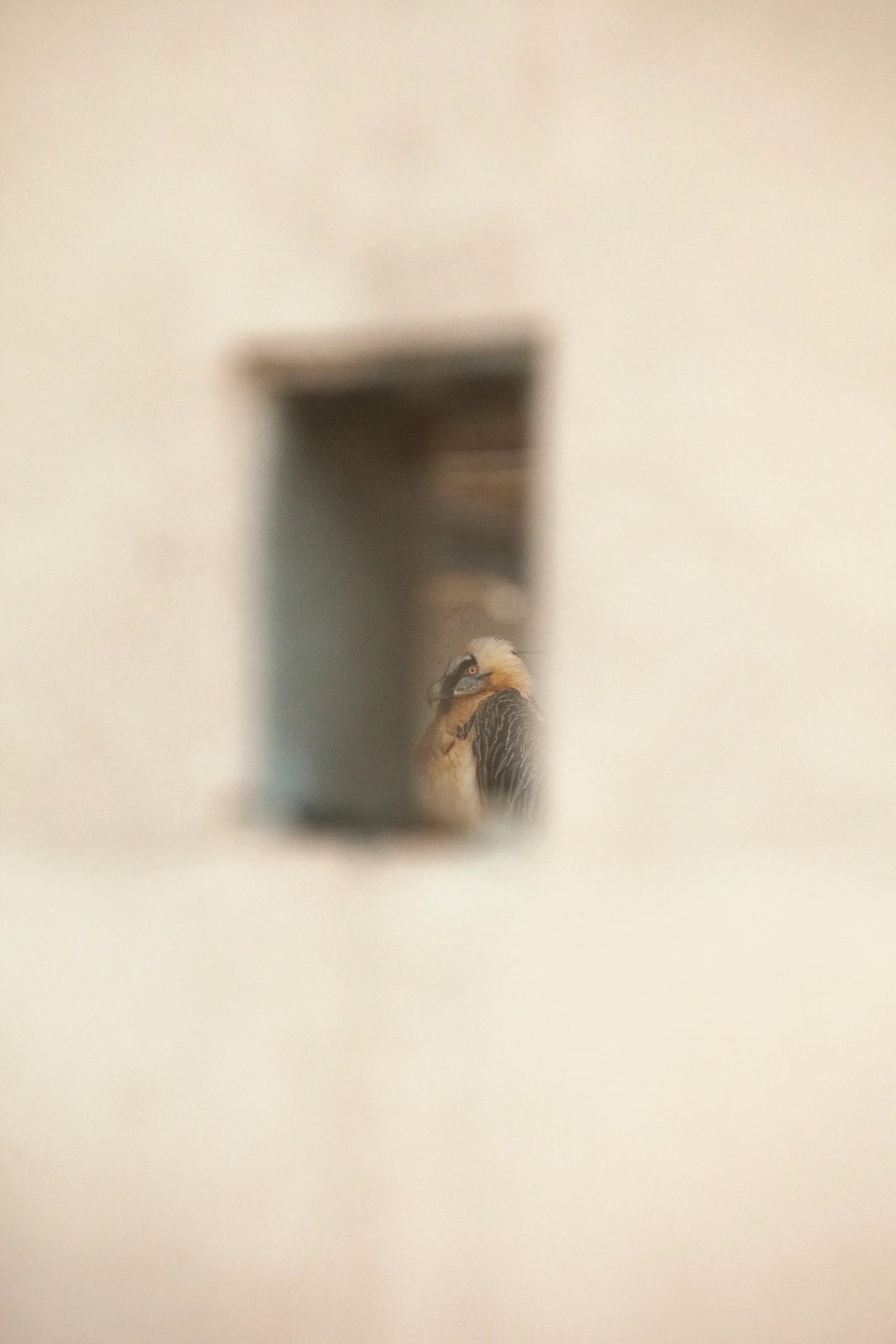
This project is an attempt to look beyond the familiar image of the vulture.
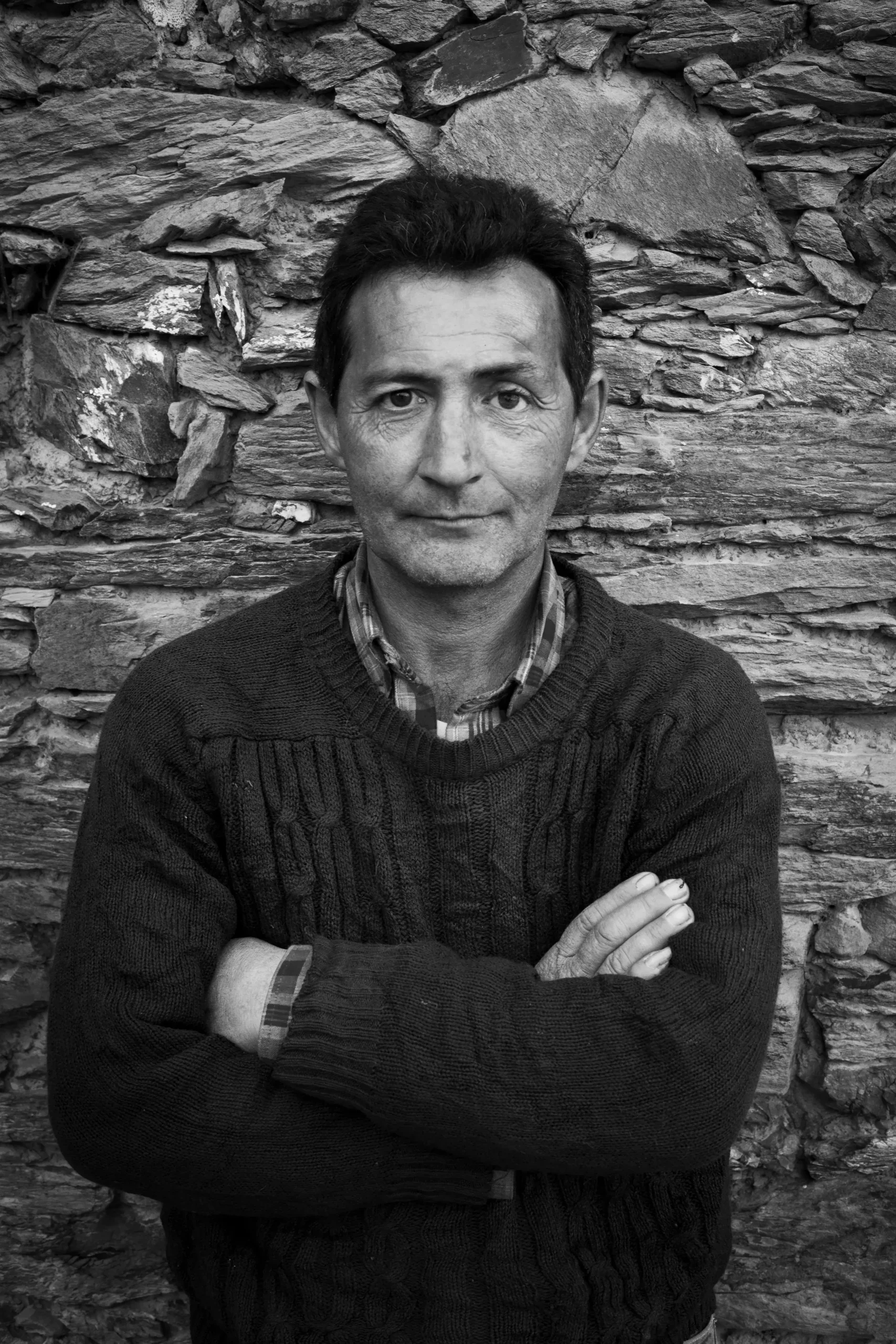
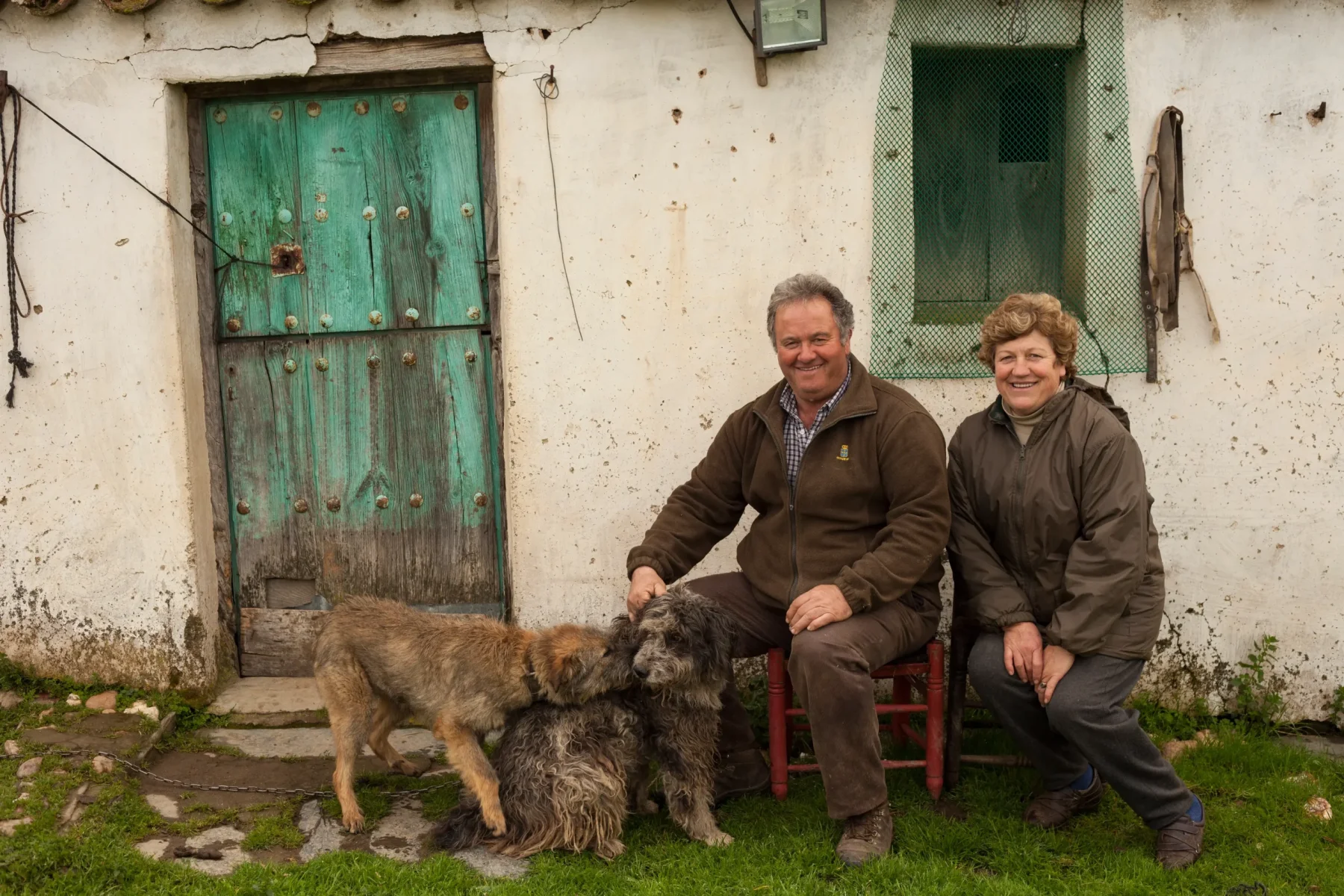
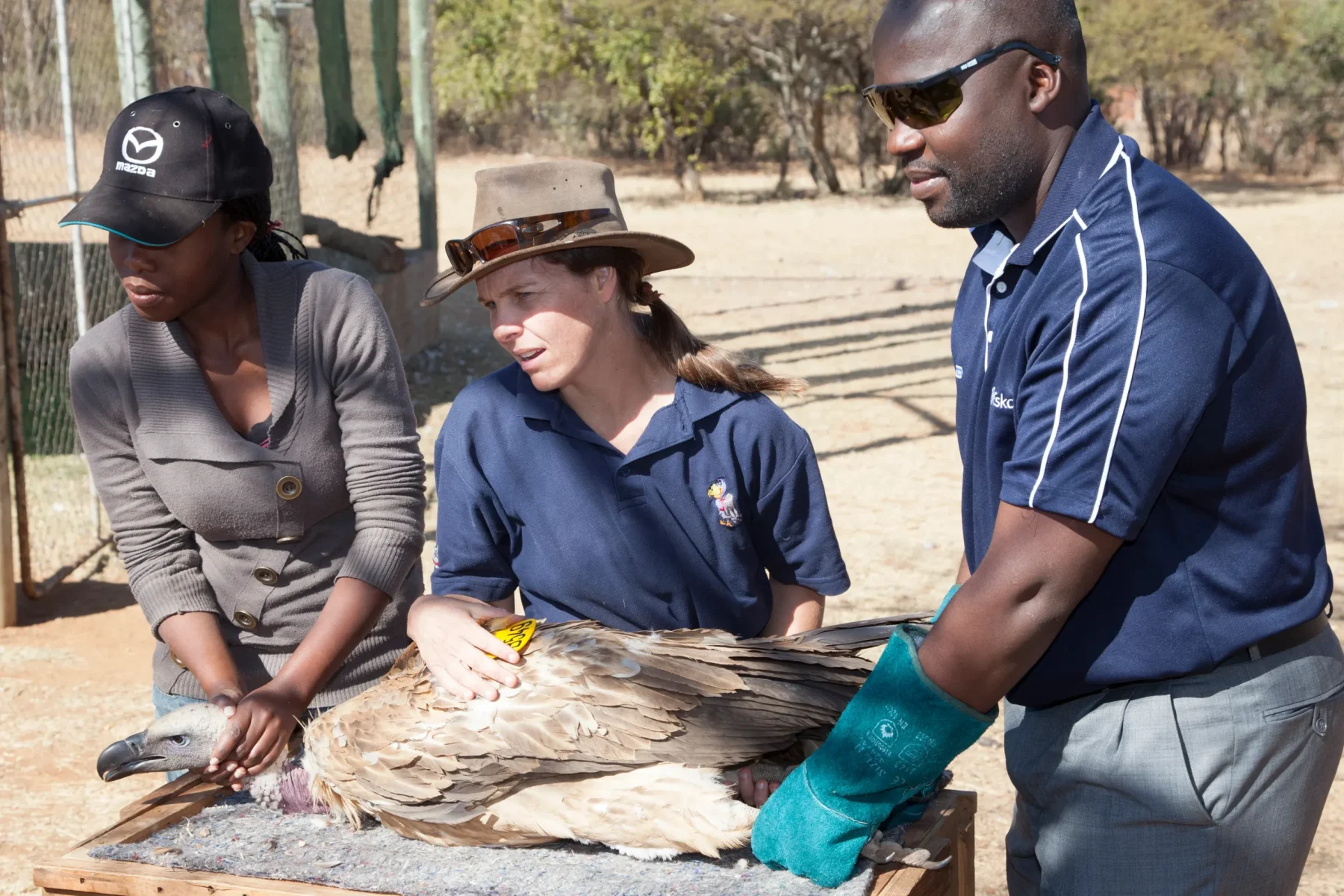
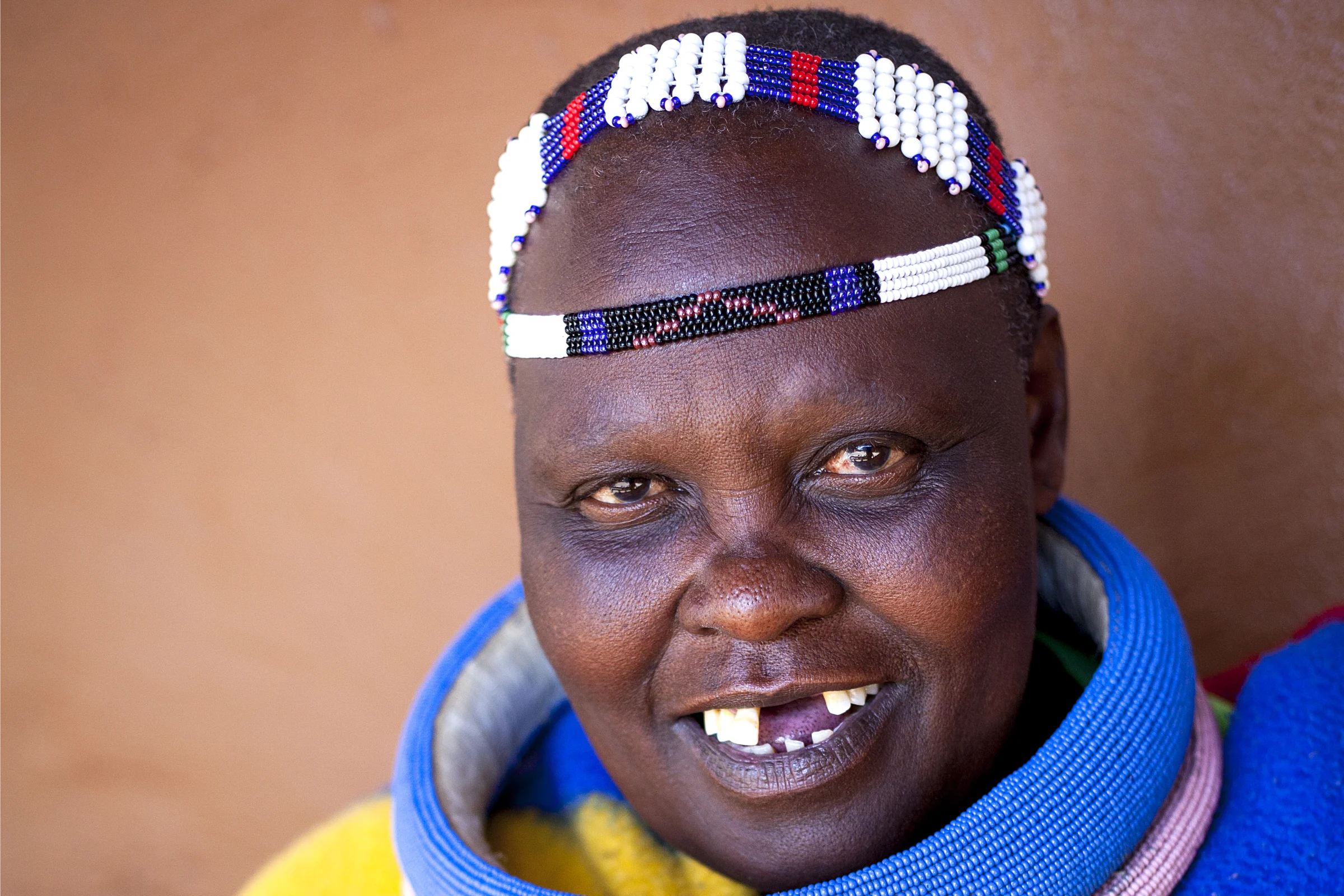
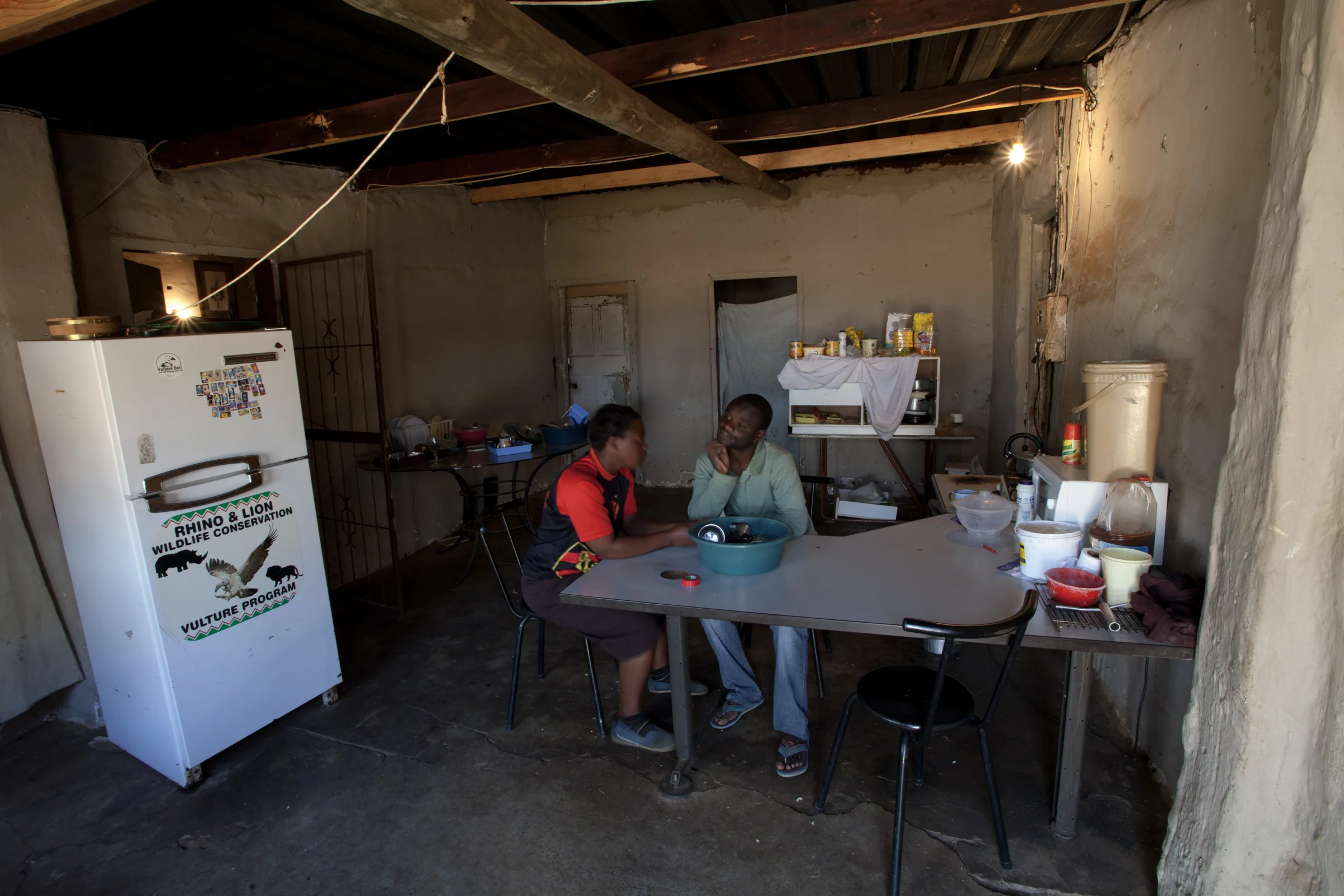
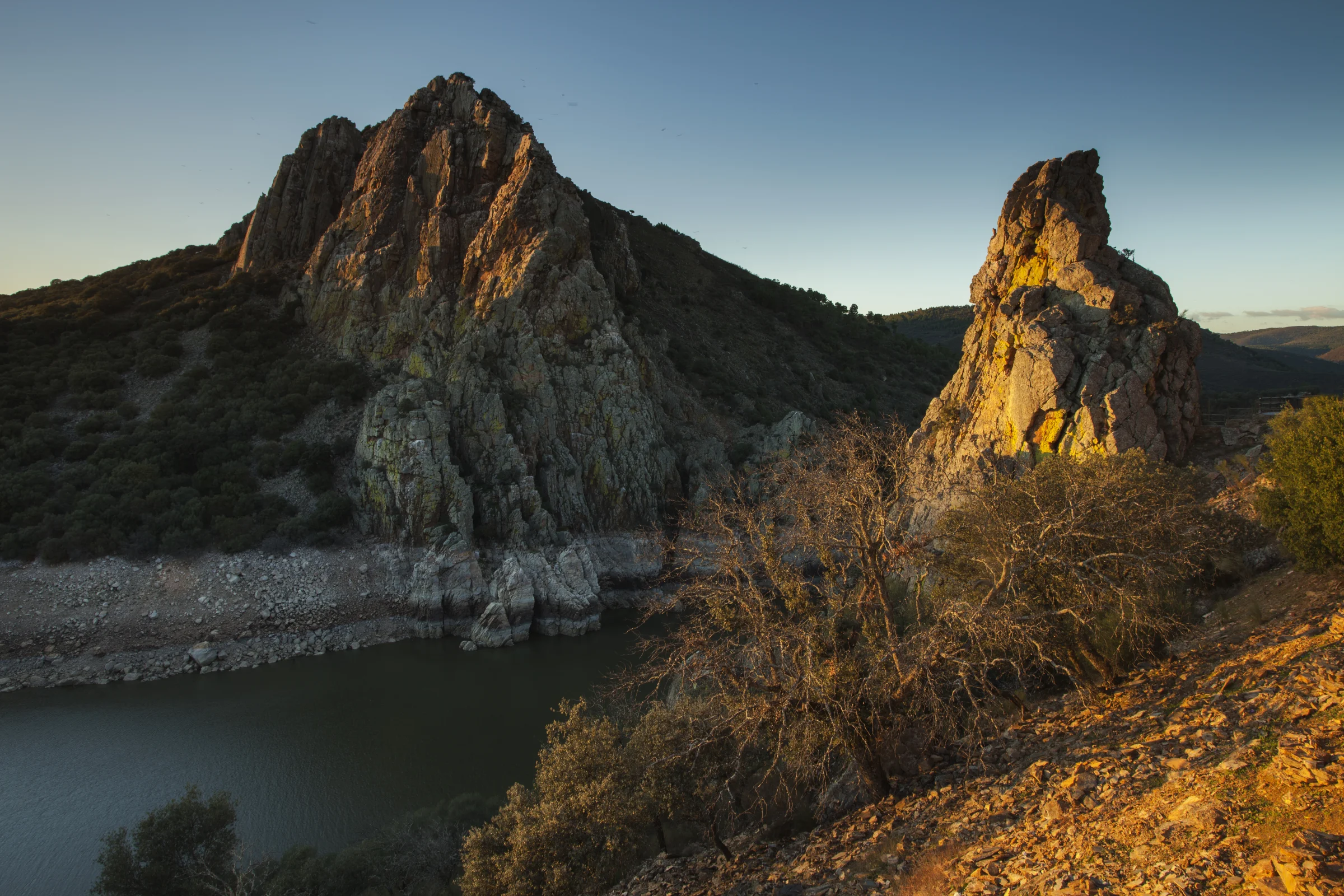
It is a photographic journey through the people, places and cultures connected to these extraordinary birds. It is about those who work tirelessly to save them, the communities whose lives and traditions remain intertwined with them, and the political and commercial systems that influence their future.
But it is also about those who have exploited them.
After nearly thirty years of working with vultures, I want to tell this story from the perspective of someone who has lived alongside the species and witnessed the contradictions surrounding their conservation. I hope that, in time, this work can become a published body of photographs and testimony - not simply a celebration of vultures, but an honest examination of our relationship with them.
Ultimately, this is not a question of whether we can keep vultures alive in Britain. It is whether keeping them here is genuinely helping to keep vultures alive in the wild.
I’d love to hear from you.
Whether you have a question, want to check availability or have something in mind, feel free to get in touch.